Gratitude Journal Prompts: 50 Questions for Adults (Plus a Simple Card Method)

By Open Meaning Cards · Published November 2026
Quick answer: Gratitude journal prompts work best when they are specific, small and honest: “What made today a little easier?” is easier to answer truthfully than “What are you grateful for?” Write two or three lines, not a page. If the words won’t come, pick a picture card or a word card first and write about what it brings to mind.
This guide is for adults who want a gratitude practice that feels real rather than forced, whether you journal every morning or only when life slows down. You will find 50 gratitude journal prompts sorted by situation, a five-minute card method for days when nothing comes, and a short list of habits that keep the practice from turning into another item on your to-do list.
With Thanksgiving and the end of the year coming up, many people reach for a gratitude journal in November. The prompts below work at any time of year, and they are written to leave room for weeks that were hard as well as weeks that went well.
Key takeaways
- The most useful gratitude journal prompts ask about something specific: a person, a moment, a small relief.
- Two or three honest lines are enough. Length is not the point; noticing is.
- Gratitude does not cancel difficulty. You can be grateful for one thing and still find the week hard.
- A picture card or word card gives you a starting point when your mind goes blank.
- Rotating prompts keeps the practice fresh and stops it from becoming a list of the same three things.
Why gratitude journal prompts help (and why “list three things” often doesn’t)
The classic gratitude exercise asks you to list three things you are grateful for. It is a good start, but after a week many people find themselves writing “family, health, coffee” on autopilot. The words are true, but the noticing has stopped.
Specific prompts bring the noticing back. “Who did something small for me this week?” sends your attention to a real moment. “What is something I used today that someone else made?” turns an ordinary object into a small story. The more concrete the question, the more likely you are to feel something while you write, and that feeling is what makes the practice worth keeping.
Researchers have studied gratitude for years; Berkeley’s Greater Good Science Center keeps an accessible overview of what gratitude is and how people practice it. You don’t need the research to begin, though. You need one good question and a few quiet minutes.
Try this: tonight, skip the list. Answer just one prompt from the sections below in three sentences.
50 gratitude journal prompts for adults
Choose one prompt a day, or pick a section for the week. You can answer in a sentence, a list or a short paragraph.
Everyday moments
- What made today a little easier than it could have been?
- What is one small thing you enjoyed today that you almost didn’t notice?
- Which part of your morning routine are you glad to have?
- What is something you used today that someone else made?
- What did you eat or drink today that you really enjoyed?
- What sound, smell or view did you appreciate this week?
- Which ordinary object in your home would you miss if it were gone?
- What went right today, even if it was minor?
- What is something you are looking forward to tomorrow?
- When did you feel most at ease today?
People and connection
- Who did something kind for you recently, even something small?
- Who is someone you rarely thank but often rely on?
- What is a conversation you are glad you had this month?
- Who taught you something that you still use?
- Which friend always seems to know what to say?
- What is a quality you admire in someone close to you?
- Who made you laugh this week, and what did they say?
- What is a family memory you are grateful to carry?
- Who has believed in you when you didn’t believe in yourself?
- If you could send one thank-you note today, who would it go to, and what would it say?
Yourself and your growth
- What is something you did this year that your younger self would be proud of?
- What strength of yours helped you this week?
- What is a mistake you are now grateful for?
- Which habit are you glad you kept?
- What part of your body are you thankful for today?
- What is one boundary you set that made your life better?
- What have you learned about yourself recently?
- What is a skill you have that you usually take for granted?
- When did you last surprise yourself in a good way?
- What are you glad you said no to?
For hard weeks
- What helped you get through today, even a little?
- What is one thing that stayed steady while other things changed?
- Who or what did you lean on this week?
- What are you glad you no longer carry?
- What small comfort is available to you right now?
- What did this difficult time teach you about what matters?
- What is one thing you can still count on?
- Which part of today would you keep if you could?
- What is one thing you did well despite how you felt?
- What would you like to thank yourself for this week?
Thanksgiving and end of year
- What are three moments from this year you want to remember?
- What is something this year gave you that you didn’t expect?
- Which tradition are you most grateful for, and why?
- What is something that changed this year for the better?
- Who would you like to thank before the year ends?
- What is a place that felt like home this year?
- What is a simple pleasure that carried you through the seasons?
- What are you grateful to be leaving behind in this year?
- What are you grateful to be taking into the next one?
- If this year were a single image, what would it be, and what in it are you thankful for?
A five-minute gratitude practice with one card
Some evenings the prompts above will feel too big. On those days, start with an image instead of a question. A picture card gives your mind somewhere to go, and gratitude often appears on its own once you start describing what you see.

- Pick one card. Shuffle and draw face down, or spread a few cards out and choose the one you keep looking at.
- Describe it in one sentence. Only what you see: “An open hand, and light leaving it.”
- Ask the card one question. “What in my life does this remind me of that I’m grateful for?”
- Write three lines. Keep it short. If something unexpected comes up, follow it.
- Close with one word. Write a single word for how you feel now. That’s the entry.
Worked example (illustrative): someone draws a card showing an open hand with butterflies rising from it. Her first thought is about letting go, and she writes: “I’m grateful I stopped saying yes to the Thursday meeting. My evenings are mine again.” Her closing word is “lighter”. The whole entry took four minutes.
Gratitude journal prompts with word cards
When you want something even simpler, use a word card. Draw one word and ask: “Where did I see this word in my life this week?” A card that says “joy”, “calm” or “belonging” can point you to a moment you would otherwise have skipped over.
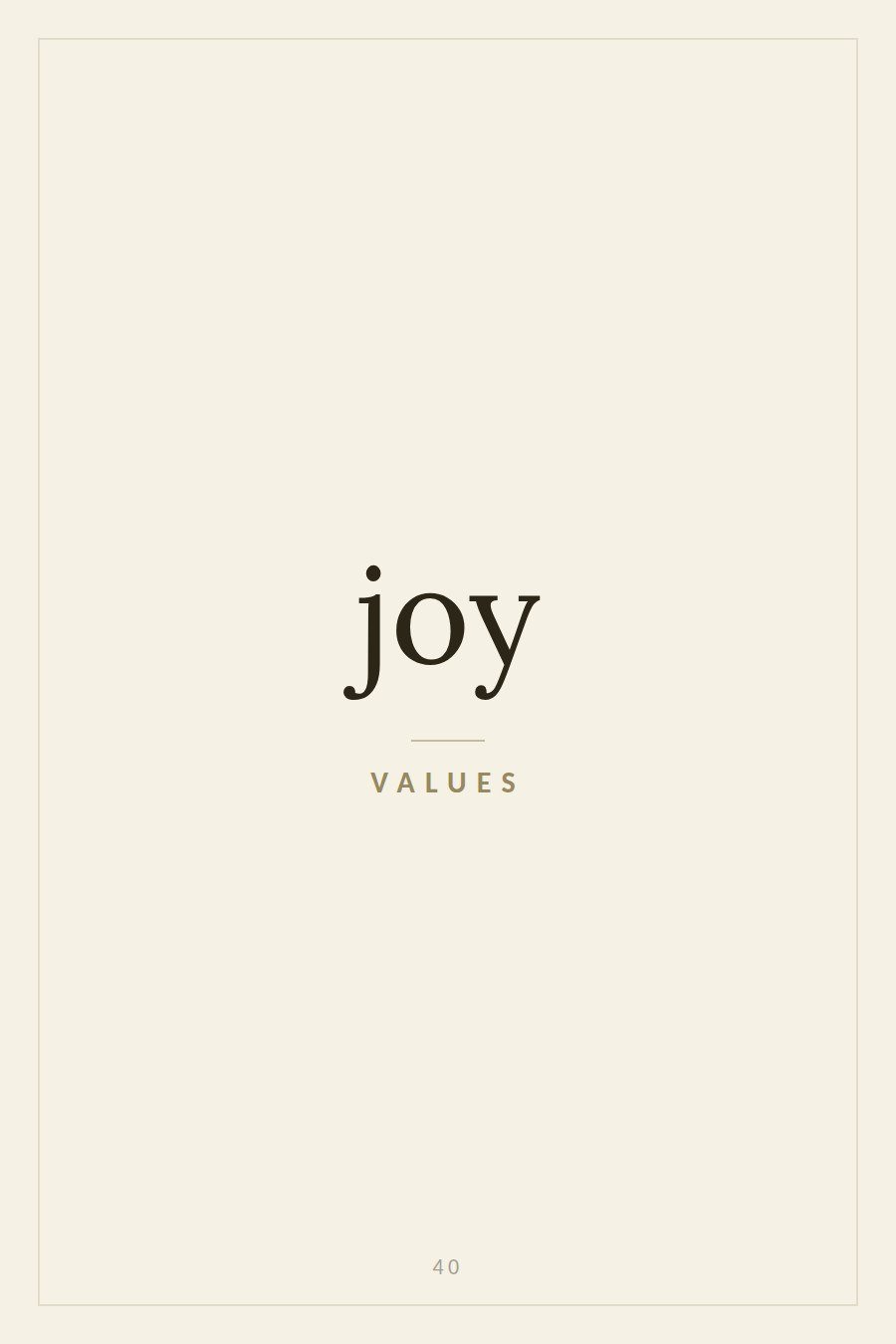
Word cards also work well when the word is not a happy one. If you draw “exhaustion” or “doubt”, the prompt becomes: “What helped me carry this?” That is still gratitude, and often the most honest kind.
| Practice | Time | Best for | What you need |
|---|---|---|---|
| One prompt, three lines | 3 minutes | Daily habit | Notebook and this list |
| One picture card | 5 minutes | Days when your mind goes blank | Any picture deck |
| One word card | 2 minutes | Very busy days | A word deck |
| Weekly review | 15 minutes | Sunday evenings | Your week’s entries |
| End-of-year reflection | 30 minutes | Thanksgiving, December | Section five prompts |
How to keep a gratitude journal you’ll actually use

- Attach it to something you already do. Write after your morning coffee or before you turn off the light, not “sometime during the day”.
- Keep the notebook visible. A journal in a drawer is a journal you forget.
- Allow short entries. One line on a busy day is better than a guilty gap.
- Reread once a week. Gratitude grows when you notice patterns: the same friend, the same small ritual, the same place.
- Don’t force it. On a really hard day, it is enough to write “Today was hard. I’m glad it’s over.” That counts.
Morning or evening?
Both work, and they do slightly different things. Morning gratitude journal prompts tend to set your attention for the day: “What am I looking forward to?” or “What do I already have that will help me today?” Evening prompts look back: “What went right?” or “Who made today easier?” If you are just starting, choose the time you are most likely to keep. Many people find evenings easier, because the day has already given them something to write about.
You can also share the practice. Some families go around the table once a week with one prompt each, and some teams close a Friday meeting with “one thing that went well this week”. The rules stay the same: short answers, no pressure, and a pass is always allowed.
Common mistakes
- Writing the same three things every day. Rotate prompts so your attention keeps moving.
- Using gratitude to dismiss real feelings. “I should just be grateful” can push difficult emotions aside. Name the hard part too.
- Aiming for long entries. Long entries feel like homework. Short ones get written.
- Comparing your list to someone else’s. Gratitude is personal; small things count.
- Quitting after a missed week. Pick up where you left off. Nothing is lost.
Which deck to use
Any set of images works for the card method, including postcards or photos you already own. If you would like a printable deck made for reflective journaling, these are a natural fit:
- Inner Weather: 50 wordless picture cards about feelings and inner states. Good for gratitude on mixed or difficult days.
- Personal Space: 50 calm, everyday scenes about room, rest and what is enough. A gentle fit for evening journaling.
- Words: 50 word cards (feelings, needs, values and actions) for quick one-word entries, and easy to pair with any picture deck. See the Words deck.
All three are instant digital downloads you can print at home. You can compare them on our card decks page.
A gentle note
A gratitude journal is a reflective habit, not a treatment. Our cards are a reflective tool, not a psychological assessment, a diagnostic instrument, or a substitute for therapy or medical care. If you are going through a difficult time, gratitude can sit alongside support from people you trust or a professional; it doesn’t need to replace it.
Frequently asked questions
What are good gratitude journal prompts for adults?
Specific prompts work best, for example “What made today a little easier?”, “Who did something kind for me recently?” or “What am I glad I no longer carry?” Pick one prompt and answer it in two or three honest lines.
How long should a gratitude journal entry be?
Two or three lines is enough. Short entries are easier to keep up, and the value comes from noticing something specific, not from writing a lot.
Is it better to write a gratitude journal in the morning or evening?
Both work. Morning prompts set your attention for the day, while evening prompts look back on what went well. Choose the time you are most likely to keep.
What if I don’t feel grateful?
That is normal, especially in a hard week. Try a prompt like “What helped me get through today?” or simply note that the day is over. Gratitude can sit alongside difficult feelings without replacing them.
How can picture cards help with gratitude journaling?
A picture card gives your mind a starting point when no words come. Describe what you see in one sentence, then ask what in your life it reminds you of that you are grateful for.
Can I use these prompts for Thanksgiving?
Yes. The Thanksgiving and end-of-year section is written for looking back on the year, and many of the prompts also work as table conversation starters with family or friends.
Related reading
- 30 self-reflection questions to use with any card deck
- How to make a hard decision with a card journaling exercise
- 7 boundary setting activities with picture cards
Closing
Gratitude doesn’t need a perfect journal or a long list. Pick one prompt tonight, write three honest lines, and see what you notice by the end of the week.