Team Check In Questions: 60 Prompts and a Picture-Card Method That Gets Real Answers

By Open Meaning Cards · Published October 2026
Quick answer: Good team check in questions are short, easy to answer in under a minute, and give everyone the right to pass. Start with one light question, then one about energy or focus, and close with a check-out. If people keep answering “fine” or “busy”, put a picture card or a word card on the table: it gives the group something concrete to talk about instead of a polite reflex.
This guide is for team leads, facilitators, coaches and anyone who runs a regular meeting, workshop or group session. By the end you will have 60 ready-to-use check-in questions sorted by purpose, a simple picture-card method that works in the room and on Zoom, and a short list of mistakes that quietly turn a check-in into a chore.
A check-in is not therapy and not a performance review. It is two minutes at the start of a meeting where each person arrives, says one true thing, and hears the others. Done well, it makes the rest of the meeting faster, because people stop carrying unspoken context into every discussion.
Key takeaways
- The best team check in questions take less than a minute to answer and never require personal disclosure.
- Match the question to the meeting: light openers for weekly syncs, energy questions for busy weeks, reflective questions for retros and workshops.
- Always offer a pass. A check-in that feels compulsory produces safe, empty answers.
- A single picture card or word card turns “I’m fine” into a real sentence, especially with quieter people and remote teams.
- End with a check-out question, so the meeting closes as deliberately as it opened.
Why team check in questions work (when they are done well)
A meeting usually starts with people still half in their previous task. A check-in gives everyone a moment to land and, just as important, to hear each person’s voice early. Someone who has spoken once in the first five minutes is far more likely to speak again when it matters.
Check-ins also surface information that would otherwise stay hidden: a colleague who is covering two roles this week, a deadline that moved, a person who is excited about something and could use that energy. None of this needs to be discussed in depth. It only needs to be said out loud once, so the team can adjust.
What makes the difference is the sense that it is safe to answer honestly. Teams that feel they can speak up without being judged tend to share more and solve problems sooner; researchers call this psychological safety. A good check-in does not create that on its own, but a badly run one can quietly erode it.
Try this: before your next meeting, decide on one question and write it at the top of the agenda. Choosing in advance is what separates a check-in from small talk.
60 team check in questions, sorted by purpose
Pick one question per meeting, two at most. Rotate the categories across the month so the check-in does not become predictable. Every question below can be answered in a word, a sentence, or with “pass”.
Quick openers for weekly meetings
- What is one word for your week so far?
- What is something small that went well since we last met?
- If your week were a weather forecast, what would it be?
- What are you looking forward to this week, work or not?
- What is one thing on your desk (or screen) right now that you would rather not be there?
- What did you learn recently, even something tiny?
- Which song, place or color matches your mood today?
- What is one thing you finished that nobody noticed?
- On a scale from “coffee needed” to “ready to go”, where are you?
- What would make today a good day?
Energy and capacity check-in questions
- How full is your plate this week: light, about right, or overflowing?
- What is taking most of your energy right now?
- What is giving you energy right now?
- Is there anything you need to say “not this week” to?
- What would help you most in the next few days?
- Where do you feel stretched, and where do you have room?
- What is one task you could hand off or pause?
- How rested do you feel, from one to five?
- What part of your work feels easy at the moment?
- What is one thing the team could do to make your week lighter?
Feelings and mood (without oversharing)
- What feeling are you bringing into this meeting?
- Is there anything on your mind that might pull your attention today?
- What has surprised you this week?
- What are you proud of at the moment?
- What is one thing that frustrated you, and is it resolved?
- What made you laugh recently?
- What would you like the team to know about how you are today?
- If you could pause one thing this week, what would it be?
- What are you grateful for at work right now?
- What is one feeling you noticed more than once this week?
Focus, priorities and blockers
- What is your one priority before our next meeting?
- What is blocking you, and who could help?
- What decision are you waiting on?
- What are you working on that the team does not see?
- Which task keeps getting pushed to tomorrow?
- What is one question you need answered today?
- Where would a second pair of eyes help?
- What is going better than expected?
- What is one risk you see coming that we have not discussed?
- What would “done” look like for you this week?
Connection and fun team check-in questions
- What is a small habit that makes your workday better?
- What would you do with an unexpected free afternoon?
- What is something you are curious about outside work?
- What was the best part of your weekend?
- Which skill would you love to learn from someone in this room?
- What is your go-to snack when a deadline is close?
- What is a book, show or podcast you would recommend this month?
- Where would you work from if you could choose anywhere for one day?
- What is one thing about you that might surprise the team?
- Who on the team helped you recently, and how?
Check-out questions to close a meeting
- What is one thing you are taking away from this meeting?
- What is your next step, in one sentence?
- How are you leaving compared to how you arrived?
- What still feels unclear?
- What is one word for this meeting?
- What did someone say today that you want to remember?
- What do you need from the team before we meet again?
- What are you letting go of until next time?
- On a scale from one to five, how useful was this meeting for you?
- What would make our next meeting better?
The picture-card check-in: a method in five steps
Questions work well with talkative teams. With quieter groups, new teams, mixed languages or remote meetings, a visual prompt often works better. A picture card gives people something outside themselves to describe, which feels safer than describing their own state directly. The meaning comes from the person, not from the card.

- Lay out the cards. Spread 10 to 20 picture cards face up on a table, or share a screen with a grid of numbered images. Use more cards than people, so everyone has a real choice.
- Ask one question. For example: “Pick a card that shows how you are arriving today.” Keep the question the same for everyone.
- Give silent time. Thirty to sixty seconds is enough. People choose faster than you expect when nobody is watching them choose.
- Go around once. Each person shows their card and says one or two sentences about why they chose it. No comments, no follow-up questions, no advice. “Pass” is always allowed.
- Close the round. Thank the group and move to the agenda. If something important came up, note it and return to it later, privately or in the right meeting.
Worked example (illustrative): in a weekly project meeting, the lead asks, “Which card looks like this sprint?” One person picks a mountain path and says the work is steep but the direction is clear. Another picks a calm water scene and says she finally has a quiet week. In two minutes the lead knows who has capacity and who is under pressure, without anyone having to say “I’m overwhelmed” in front of colleagues.
Card check-in prompts you can reuse
- Pick a card that shows how you are arriving today.
- Pick a card that looks like your workload this week.
- Pick a card for something you are hoping for in this project.
- Pick a card that shows what this team does well.
- Pick a card for what you want to leave behind before the weekend.
Word cards: the one-word check-in, made easier
“Describe your week in one word” is a classic check-in, but many people freeze when they have to find the word themselves. Word cards solve this. Lay out a set of feelings, needs and values words and ask each person to pick one. The choice is quick, and the word becomes a starting point rather than a verdict.
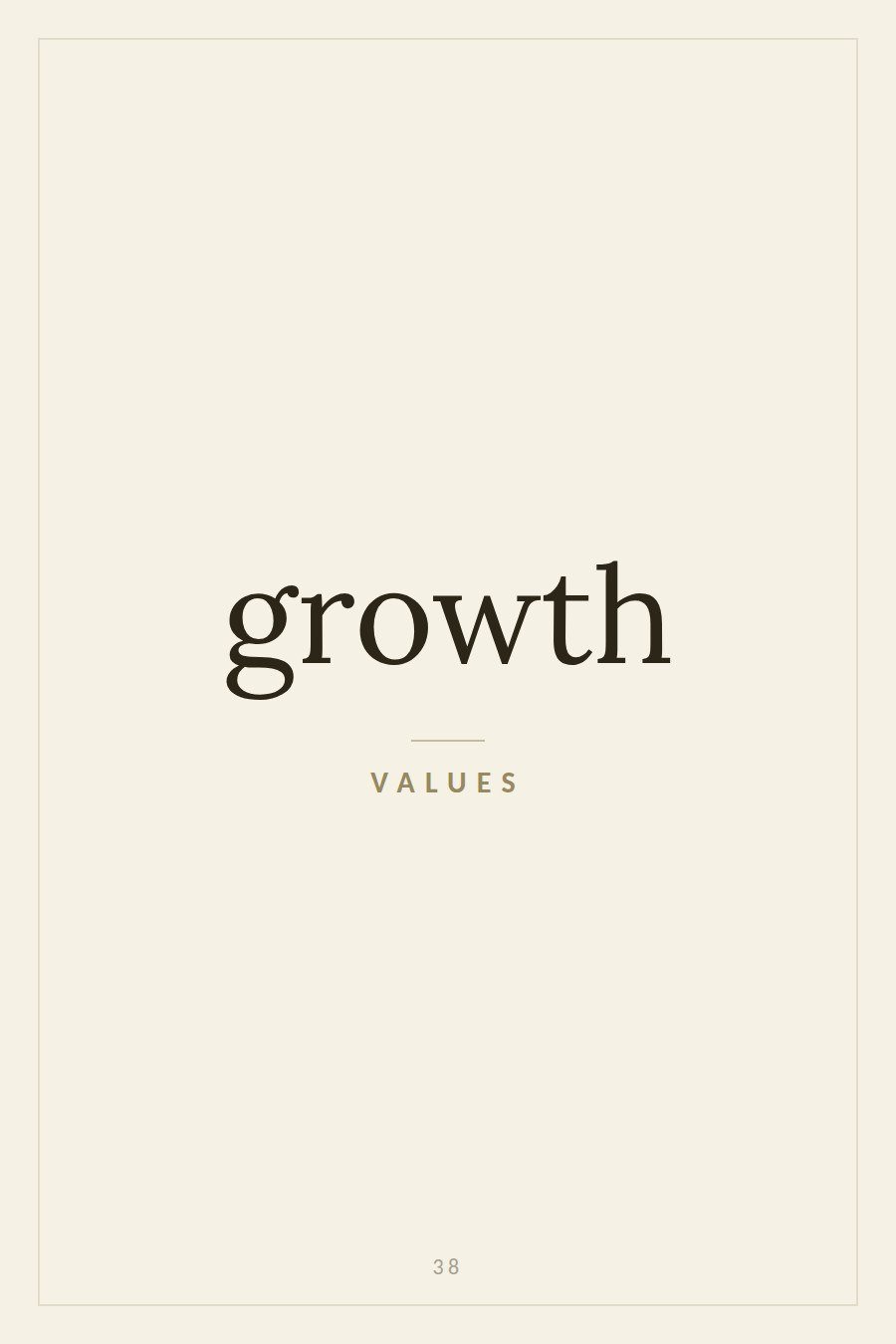
Word cards also combine well with picture cards. Ask people to pick one image and one word, then say a single sentence that connects them. This works especially well in retros and end-of-quarter reflections, where you want a little more depth without a long discussion.
| Format | Best for | Time for 8 people | Watch out for |
|---|---|---|---|
| Spoken question | Weekly syncs, established teams | 5–8 minutes | Repetitive answers like “busy” or “fine” |
| Picture card | New teams, workshops, quieter groups | 8–12 minutes | Too few cards to choose from |
| Word card | Retros, reflection, mixed-language groups | 5–8 minutes | Turning a word into a debate |
| Image + word | Quarterly reviews, offsites, team days | 12–15 minutes | Running over time; use a timer |
Running team check-ins online
Remote and hybrid meetings need check-ins even more, because there is no corridor time before the call. The same questions work online with a few adjustments.
- Share a numbered grid. Put 12 to 16 card images on one slide or a whiteboard, each with a number. People answer in the chat with their number first, then speak.
- Use the chat for large groups. With more than ten people, ask everyone to type a one-word or one-number answer at the same time, then invite two or three volunteers to say more.
- Agree on a speaking order. Alphabetical, or “pass to someone who has not spoken yet”, avoids the awkward silence of everyone waiting.
- Keep cameras optional. The check-in is about voices, not faces.

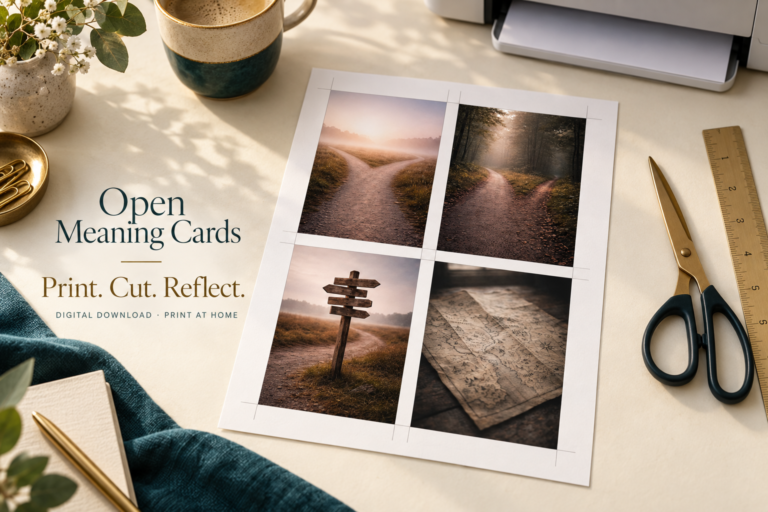
Try this: at the first meeting of a new project, show a single image like the one above and ask, “What is on the other side of this door for you?” The answers often reveal expectations and worries that would take weeks to surface otherwise.
Choosing team check in questions for different moments
The same question does not fit every meeting. Use this as a starting point and adjust to your team.
| Moment | Suggested question | Format |
|---|---|---|
| Monday planning | What is your one priority this week? | Spoken |
| Busy or stressful week | How full is your plate: light, about right, or overflowing? | Spoken or chat |
| Sprint retro | Pick a card that looks like this sprint. | Picture card |
| New team or project kickoff | Pick a card for what you hope this project becomes. | Picture card |
| Workshop opening | Pick a word for what you want from today. | Word card |
| End of quarter or year | Pick one image and one word for this quarter. | Image + word |
| Any meeting close | What is your next step, in one sentence? | Spoken |
Common mistakes
- Making it compulsory. Without a real option to pass, people protect themselves with safe answers. Say “pass is fine” every time, not just once.
- Asking questions that are too deep. “What are you struggling with in life?” does not belong in a team meeting. Keep it to work, energy and light personal topics.
- Commenting on every answer. Reactions, jokes or advice turn a check-in into a discussion and make the next person more careful. Just say thank you.
- Letting the leader go last every time. If the leader answers first, honestly and briefly, it sets the tone for everyone else.
- Running over time. A check-in that eats fifteen minutes of a thirty-minute meeting will be dropped within a month. Use a timer.
- Using the answers against people. What someone shares in a check-in should never appear in a performance conversation. If people suspect it might, the check-in stops working.
Which deck to use
Any set of evocative images can work for a picture-card check-in, and you can start with photos or postcards you already have. If you want a ready-made, printable set, these are the decks we designed for this kind of conversation:
- Inner Weather is our emotion deck: 50 picture cards for naming how people feel, with a facilitator guide. It is the most natural fit for check-ins. See Inner Weather.
- Words is a set of 50 word cards (feelings, needs, blocks, values and actions) for one-word check-ins and for combining with any picture deck.
- Surreal & Fractal works well for creative teams, project kickoffs and workshop openings.
All of them are digital downloads you can print at home or use on screen in online meetings. You can compare them on our card decks page.
A note on scope
Team check-ins are a communication practice, not a wellbeing assessment. MAC cards are a reflective tool, not a psychological assessment, a diagnostic instrument, or a substitute for therapy or medical care. If a check-in reveals that someone is having a hard time, follow up privately, listen, and point them to the support your organization offers. If you are a coach or facilitator, work within your own scope of practice and the ICF Code of Ethics or your professional body’s guidelines.
Frequently asked questions
What are good team check in questions for a weekly meeting?
Short, light questions work best: “What is one word for your week so far?”, “What would make today a good day?” or “What is your one priority before our next meeting?” Pick one, keep answers to a minute, and always allow a pass.
How long should a team check-in take?
Aim for about a minute per person, so five to eight minutes for a team of eight. Picture-card rounds take a little longer because of the silent choosing time. Use a timer if your meetings tend to run over.
How do you run a check-in with picture cards?
Lay out more cards than people, ask one question such as “Pick a card that shows how you are arriving today”, give 30 to 60 seconds of silence, then go around once. Each person says one or two sentences about their card, with no comments or advice from others.
Can check-in questions be used in online meetings?
Yes. Share a numbered grid of card images on screen and ask people to type their number in the chat before speaking. With larger groups, collect one-word answers in the chat and invite two or three volunteers to say more.
What should you avoid in a team check-in?
Avoid questions that require personal disclosure, comments on each answer, and any sense that answers will be used in performance reviews. Make it clear every time that passing is fine.
What is a check-out question?
A check-out question closes a meeting, for example “What is your next step, in one sentence?” or “What is one thing you are taking away?” It helps people leave with clarity and shows the facilitator how the meeting landed.
Related reading
- How to help clients name a feeling with picture cards
- 30 self-reflection questions to use with any card deck
- How to use MAC cards in coaching: a five-step session guide
Closing
A good check-in is small: one question, a minute per person, and the freedom to pass. Choose one question from the list above for your next meeting, write it at the top of the agenda, and notice how the conversation that follows changes.